Bitcoin, cryptocurrency, blockchain... So what does it all mean?
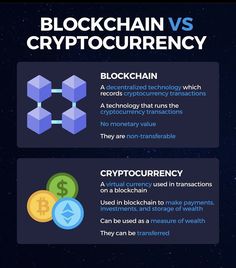
Blockchain is the foundational technology that facilitates the operation of cryptocurrencies and other applications. Bitcoin is the most well-known cryptocurrency, created as a direct implementation of blockchain technology. A cryptocurrency, like the US dollar, serves as a medium of exchange but exists digitally and employs cryptographic methods to verify fund transfers and regulate the creation of new monetary units.
What is Blockchain and Cryptocurrency?
Blockchain describes the way transactions are recorded into “blocks” and time stamped. It’s a fairly complex, technical process, but the result is a digital ledger of cryptocurrency transactions that’s hard for hackers to tamper with.
In addition, transactions require a two-factor authentication process.
Why is Blockchain and Cryptocurrency important?
Bitcoin cryptocurrency uses blockchain technology. Blockchain helps in the verification and traceability of multistep transactions needing verification and traceability. It can provide secure transactions, reduce compliance costs, and speed up data transfer processing.
What is Blockchain?
Blockchain technology is a decentralized, distributed ledger system that records transactions across multiple computers. This ensures that the recorded transactions cannot be altered retroactively without altering all subsequent blocks and the consensus of the network. Each transaction is recorded in a “block,” and these blocks are linked together in a chronological “chain,” hence the name blockchain. Key features of blockchain technology include transparency, security, immutability, and decentralization. It is the underlying technology behind cryptocurrencies like Bitcoin but also has applications in various fields such as supply chain management, finance, healthcare, and more.
What is Cryptocurrency?
Cryptocurrency is a digital medium of exchange, created and stored on a blockchain. It uses cryptographic techniques to verify fund transfers and an algorithm to manage the creation of new monetary units. Bitcoin is the most well-known example of a cryptocurrency.
Cryptocurrency has no intrinsic value as it is not redeemable for another commodity, such as gold.
It has no physical form and exists solely within the network.
Its supply is determined by protocol rather than a central bank, making the network entirely decentralized.
How Blockchain Works
Blockchain’s potential applications
Supply Chain
Visibility through the entire supply chain tracking individual components through the final product.
Travel
Corporations reducing costs by eliminating intermediaries and working directly with the airlines to track travel for each employee.
Sustainability
Improved management of resources by collecting decentralized data and distributing it to system participants.
Financial inclusion
Access to capital that was previously unavailable for the average consumer; funding projects that can power the future economy.